Recycling and Sustainability at Gardeners Kentish Town
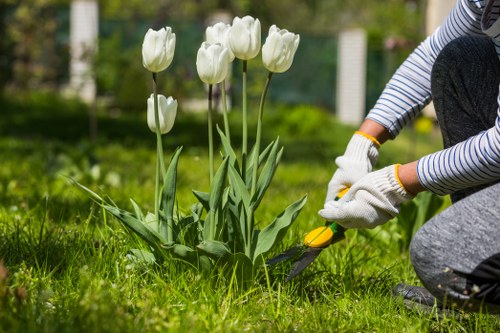 Gardeners Kentish Town is committed to an ambitious recycling and sustainability programme that supports an eco-friendly waste disposal area and a thriving sustainable rubbish gardening area. Our approach combines practical on-site systems with borough-wide recycling practices so that green waste, soil, plant pots and recyclables are handled with minimum carbon impact and maximum community benefit.
We work alongside local authorities and follow the boroughs' approach to waste separation: food caddy collections, paper and card, glass, mixed recycling and residual waste kept separate to maximise diversion from landfill. This integrated waste separation model helps us sort materials at source and keeps recyclable gardening materials in circulation.
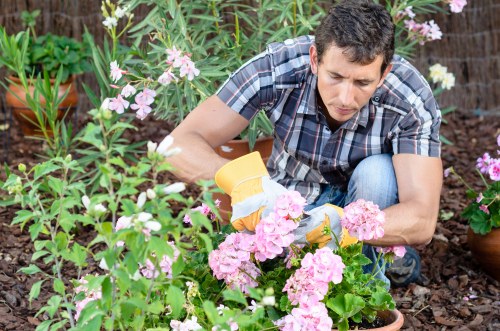 Our target is clear: achieve a 65% recycling rate by 2028 across all Gardeners Kentish Town operations, with intermediate milestones evaluated annually. That recycling percentage target covers green waste composting, reuse of soil and hardscape materials, and responsible disposal of non-compostable items like treated timber and contaminated soils.
We operate an on-site eco-friendly waste disposal area where segregated skips and covered compost bays make it easy for teams to separate green waste, plastics, metal planters and electronics. In addition to in-house segregation we transport sorted materials to local transfer stations to ensure onward recycling at scale.
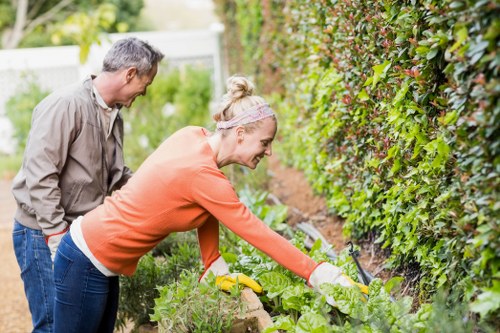 For larger volumes we use nearby local transfer stations in Camden and adjacent boroughs, connecting with municipal recycling centres and transfer facilities. These transfer stations receive pre-sorted loads — green waste for industrial composting, inert soils for remediation, and recyclable containers for material recovery — ensuring that every kilogram is routed to the best possible circular destination.
Our sustainable rubbish gardening area doubles as a material reuse centre: cleaned pots, reclaimed paving, timber offcuts and surplus topsoil are catalogued and reissued to community gardens and planting projects. This reuse-first policy reduces demand for virgin materials and keeps useful gardening resources in local circulation.
Partnerships are central to our approach. We collaborate with charities, social enterprises and community groups to redistribute usable items and support local causes. Our network includes reuse charities and community food initiatives that accept surplus compost, planters and safe, reusable landscaping material.
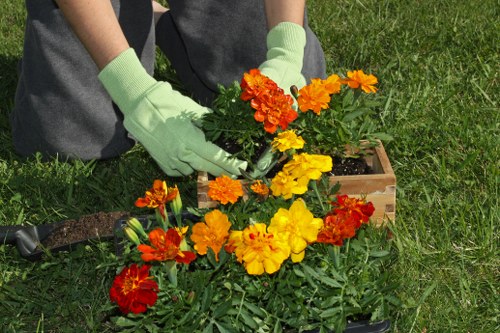
Charity and Circular Economy Partnerships
Through formal partnerships we donate serviceable gardening equipment and surplus materials to local charities, community allotments and training programmes. These relationships extend the life of goods, create employment and training opportunities, and reduce waste-handling costs. We also run seasonal projects with community groups to deliver free or low-cost soil, mulch and reclaimed paving for neighbourhood greening.
To minimise transport emissions we have invested in a fleet of low-carbon vans and zero-emission delivery options. Our fleet strategy includes electric vans for light loads and cargo bikes for local runs, reducing kerbside impact and improving access in tight urban streets. The switch to low-emission vehicles is part of our broader carbon reduction plan.
To support these changes we maintain strict documentation and operational controls: material tracking for green waste, contaminant checks for soils, and formal transfer notes for materials sent to reuse partners or transfer stations. This way we ensure transparency and that our recycling targets are measurable and verifiable.
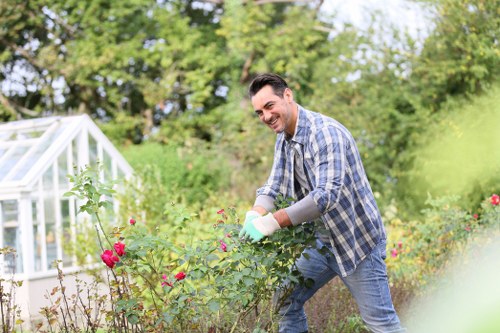
Practical Recycling Activities for Kentish Town Gardeners
Every job includes a recycling checklist. Typical activities include:
- Green waste composting: shredded branches, leaves and prunings turned into compost for site reuse.
- Container recycling: plastic and metal pots cleaned and either recycled or reused.
- Soil management: screening and testing soils, reusing clean topsoil or transporting contaminated soils to licensed facilities.
- Hard landscaping reuse: salvaging paving, sleepers and bricks for reuse in new projects.
We promote behavioural change too: training our teams in waste separation, encouraging clients to choose reusable materials, and offering low-waste planting designs. These steps reduce the volume of rubbish produced on-site and support a circular local economy.
Governance and continuous improvement are built into the plan. We monitor progress against the recycling percentage target, audit waste streams quarterly, and publish internal summaries to drive performance. Our low-emission vehicle roll-out is scheduled to increase electric van usage by 50% within two years, further lowering transport emissions tied to waste handling.
Gardeners Kentish Town’s commitment to recycling for gardeners and sustainable waste services blends practical on-site systems with community partnerships, local transfer station engagement and a low-carbon transport fleet. Together these measures create an eco-friendly waste disposal area and a resourceful sustainable rubbish gardening area that benefits the borough and its residents.
How you can support our sustainability work
Clients and neighbours can help by separating materials at collection points, donating reusable items, and choosing compostable or recyclable products at the start of a project. Small changes—like opting for reusable planters, selecting certified reclaimed materials or allowing designated drop-off for excess soil—make a big difference when multiplied across projects.
Our promise
Gardeners Kentish Town will continue to prioritise circular practices, strengthen charity partnerships, use low-emission vans and work with local transfer stations to meet and exceed our 65% recycling rate by 2028. Together we can create greener, cleaner streets and gardens with reduced waste and lower carbon footprints.

